Voices of Foster Care · Adopt Our Curriculum
Historical Oratorical
A live music and oratory curriculum designed to strengthen confidence, communication, and self-development.
"They have survived a system that produces up to 80% of prison inmates on death row. As they age out of foster care, six young men step into their manhood and find their power on stage."
Voice · history · presence
The program in focus

Dignity over disclosure
Youth are never asked to tell their trauma to earn a stage. Power comes from mastering the great speeches, not from reliving a case file.
- No trauma mining: Participants are never required or pressured to share their child-welfare history.
- Classical and cultural authority: Youth study and make their own the world's great historical speeches, epic poetry, and Hip-Hop cadence.
- Body-based confidence: Rhetoric is paired with calming the nervous system and stagecraft, so youth move from case numbers to commanding speakers.
The 4-week intensive
Hosted in community centers, cultural hubs, performing arts venues, or independent living spaces.
- Week 1 — The Nervous System & The Instrument: Calming the body, voice mechanics, breath control, overcoming freeze.
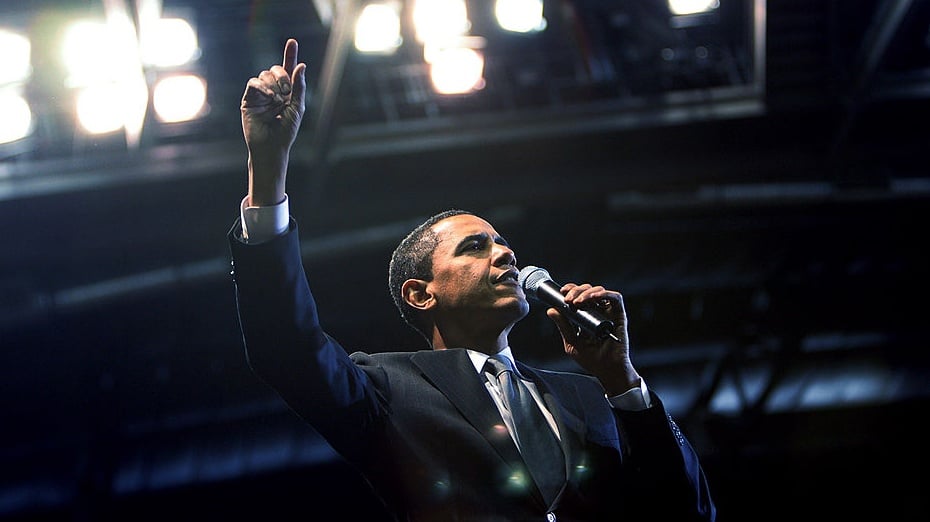
- Week 2 — The Great Orators & The Archive: Baldwin, Douglass, Tubman, Hamer, and Obama; cadence and rhetorical devices.
- Week 3 — Flow, Music & Stage Presence: Musical hooks, recovering from mistakes with humor, audience engagement, and rhythm.
- Week 4 — Practical Rhetoric & System Navigation: Interviews, elevator pitches, speaking up for benefits, and showcase rehearsal.
Modules
- Vocal conditioning: Projection, grounded eye contact, reducing nervous habits, commanding a room.
- Lyrical and musical integration: Working with musical directors and youth musicians, including D'Wayne Wiggins' Youth Aid, to anchor speeches with rhythmic hooks.
- Applied rhetoric for adulthood: Pitching a business, interviewing for college and jobs, speaking in dependency court, and dealing with gatekeepers.
- Health and wellness: Breathwork, meditation, yoga and QiGong led by Ami Brown, CMT, CYT (Healing Tribes Framework).
- Stage resilience: The art of the pivot, storytelling charisma, and emotional adaptability (Karis Lovechild Framework).
- Unclaimed entitlements: Georgia's Senate Bill 107 tuition and housing supports as the baseline, adapted to each state's own programs.
The showcase and the film
- Full-day symposium: Grounding, creative workshop, resource fair, healing lounge, community lunch, then the Historical Oratorical mainstage: six solo orations with live band interludes and an ensemble finale, closing with an open mic.
- Documentary: An uplifting, musically scored film in the spirit of The Great Debaters and Def Poetry Jam, with full narrative control for participants, including the right to stay off camera.
Three ways to adopt it
Low scale
Model A · Community Pilot
One cohort of 6–8 youth, run by a grassroots nonprofit, faith fellowship, or arts center with 2 staff.
Mid scale
Model B · County Agency
Two to three cohorts across county hubs, hosted by child welfare, CASA, or a school transition office.
High scale
Model C · Statewide & Media
Four to six cohorts across metro regions with a documentary co-production, led by a state division, university, or major theater.
Full licensing terms, legal protections, and funding models live in the Partner Kit below, for Business People and higher.
Member library · Business People & higher